
ALL ABOUT CLIMBING
-

Skin Care For Climbers, Part 2/4: Before The Climb
This series is meant as a no-nonsense guide to climbing skincare for average climbers. It’s meant to be practical, actionable & is written for climbers like you and me. The focus is slightly more on bouldering and indoor climbing but the general principles apply to all types of rock climbing.In this article we’ll
Read more -

Skincare For Climbers, Part 1/4 : The Knowledge
I want to let you in on a crucial idea we discovered while developing our skincare products. We call it “The Knowledge” because once you understand it, it starts to guide how you take care of your finger skin for climbing. It’s a pretty simple idea, really. Not all skin is crated equally but there’s just two things you
Read more -
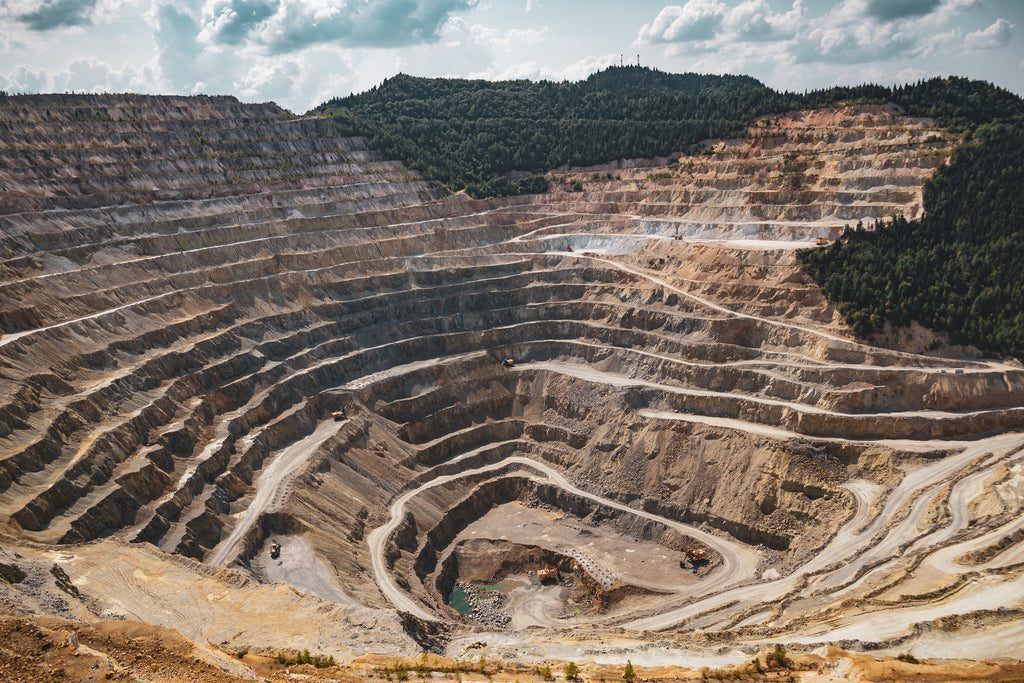
Climbing Chalk and Contaminants
Climbing chalk is “just” Magnesium Carbonate (MgCO3) but because of the way it is produced it can contain “heavy metal” contaminants like Lead and Mercury. Magnesium is actually named after Magnesia, a district in the ancient Greek region of Thessaly, where magnesite deposits were first found. Nowadays most magnesium c
Read more -

Flow & Surfing, Skateboarding, Climbing at the Tokyo Olympics
What does sport climbing have in common with 2 other sports introduced at the Tokyo 2020 / Tokyo 2021 Olympics? One word: Flow.Sport climbing was introduced to the olympics in 2020 / 2021 along with surfing and skateboarding. Given that snowboarding has been part of the Winter Olympics for a long time the addition of t
Read more -

Synthesised vs Mined Climbing Chalk
Climbing Chalk is essentially magnesium carbonate and most of it comes to us through an open-pit mining process. The mining process extracts the mineral magnesite from the Earth’s crust. Seventy percent of the world's supply of magnesite is mined and prepared in China. The mined magnesite then goes through a purificati
Read more -
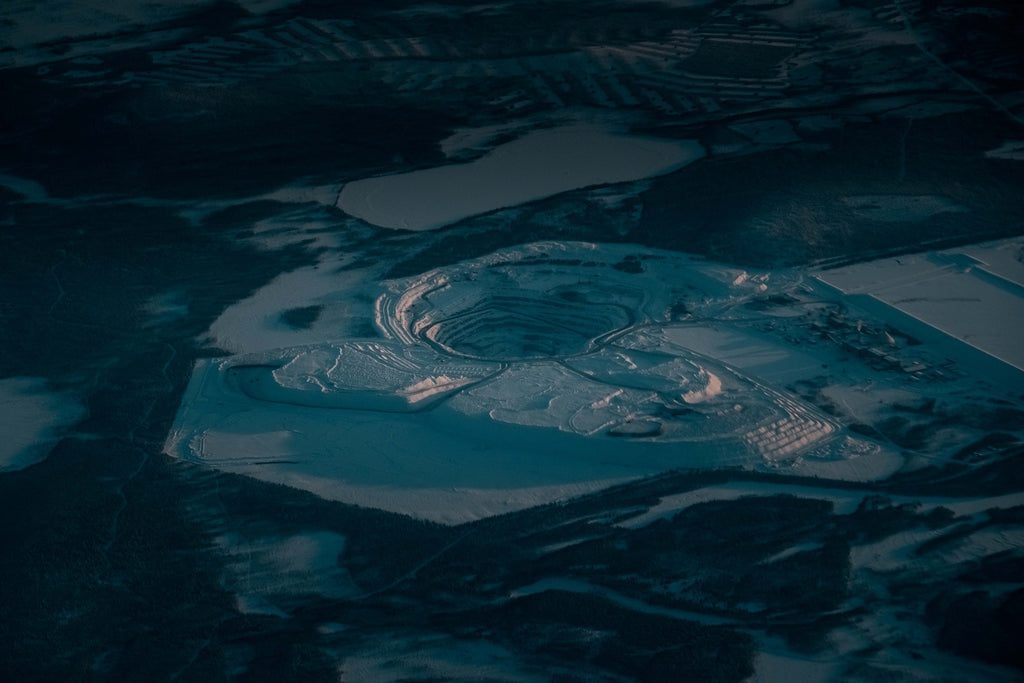
Do You Know What’s In Your Climbing Chalk?
While at the core climber’s chalk is supposed to be just pure Magnesium Carbonate there are some observable differences between sources. For all practical purposes we can simply state that “All chalk is the same” and “Chalk doesn’t matter” because the differences in chalk source have no practical observable effect on p
Read more -
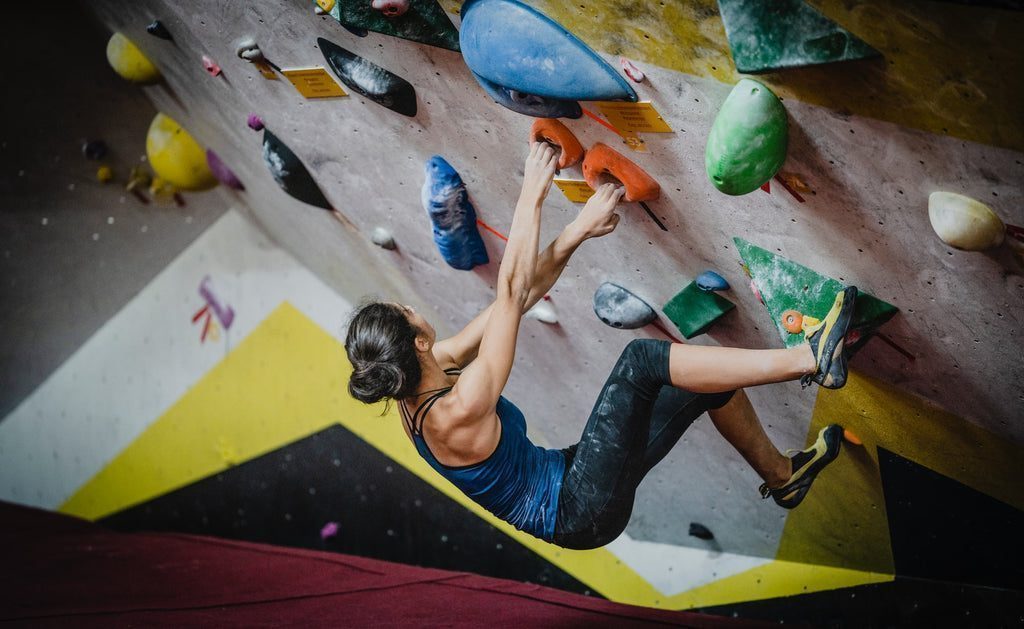
Top 5 Climbing Chalk Mistakes Climbers Make
Climbing chalk may seem like a simple product but in fact there’s a lot of science behind it. Yet most climbers let their use of it be guided by habit & not facts. Here are a couple of mistakes we keep seeing climbers make when it comes to chalking up for the climb.Mistake 1: Chalking Up The Holds Instead Of The Sk
Read more -
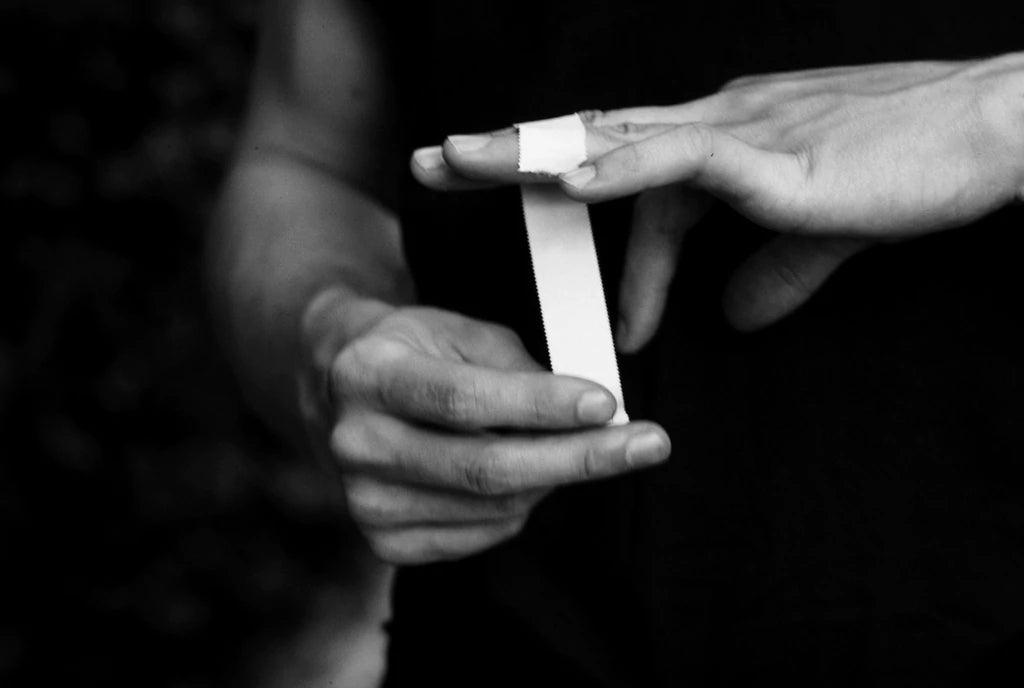
Skincare For Climbers: Tape Your Fingers
Finger tape is used in two main ways by climbers: to protect the finger skin and to support the finger after a tendon injury. Protecting your finger skin is pretty straightforward: apply a bit of tape in areas that are getting thin or are starting to tear. Adding a little tape can often buy you a couple more attempts o
Read more -
Do You Know Where Your Chalk Comes From?
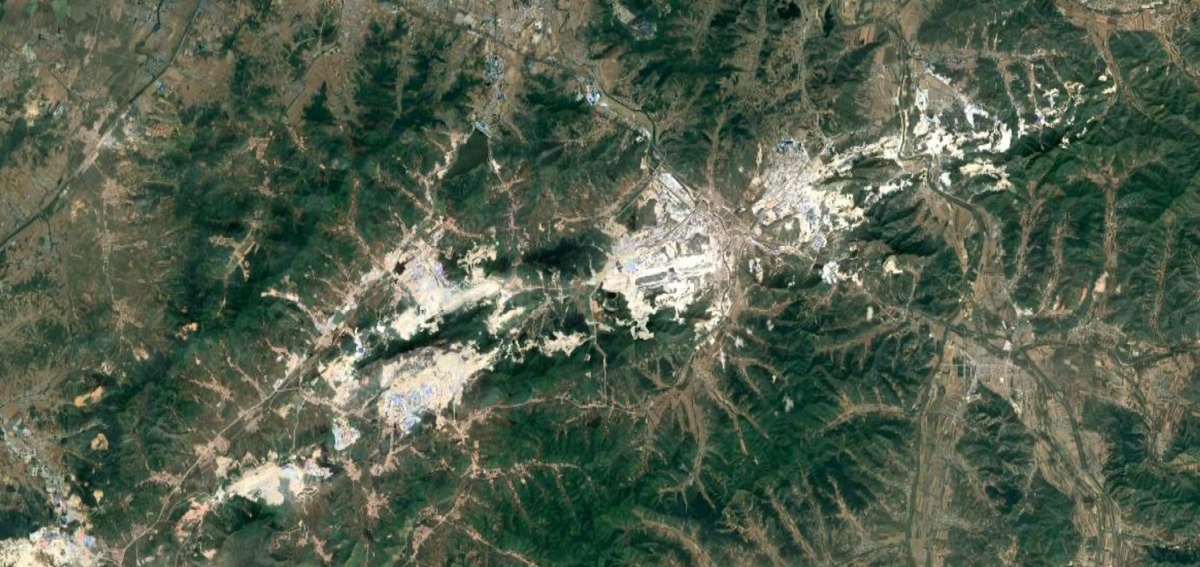
Magnesium Carbonate is made from magnesite, a mineral mined from the Earth. Currently over 70% of all magnesite is mined in China. While the CCP has recently started cleaning up the magnesite mining industry it remains a significant source of local pollution and like all mining it is pretty energy intensive & most
Read more -
How To Clean Climbing Holds
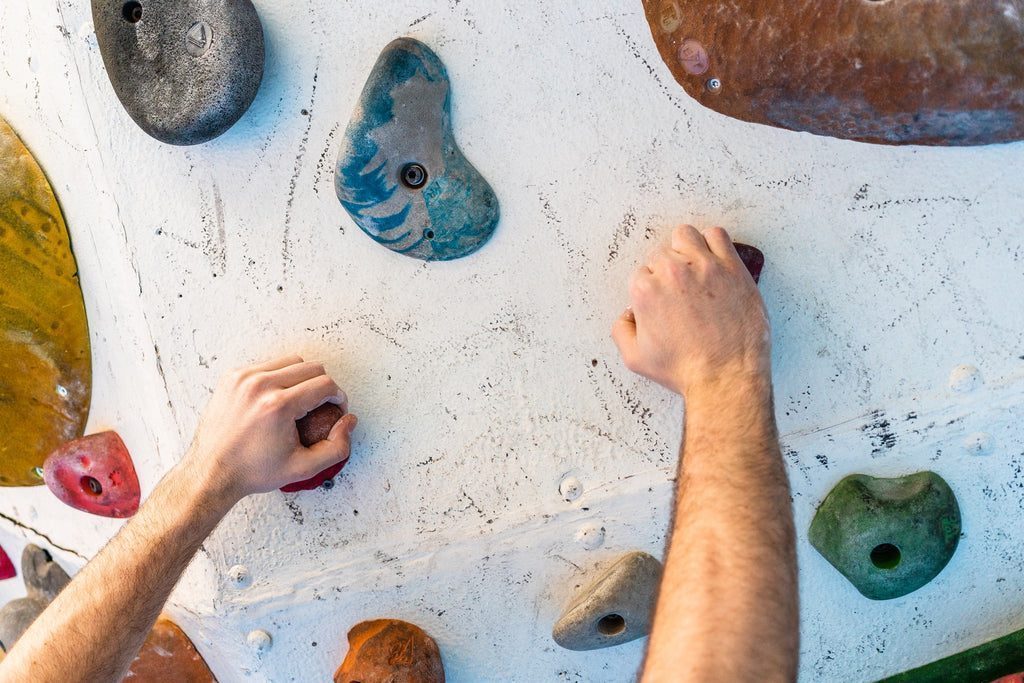
If you have a small home gym you’ll probably start to wonder about how to actually clean the holds after a couple of months of intense use. A layer of chalk and rubber tends to build up on the holds making them slick and uncomfortable to use.The good news is that magnesium carbonate washes right off with a little water
Read more