
NEWS
-
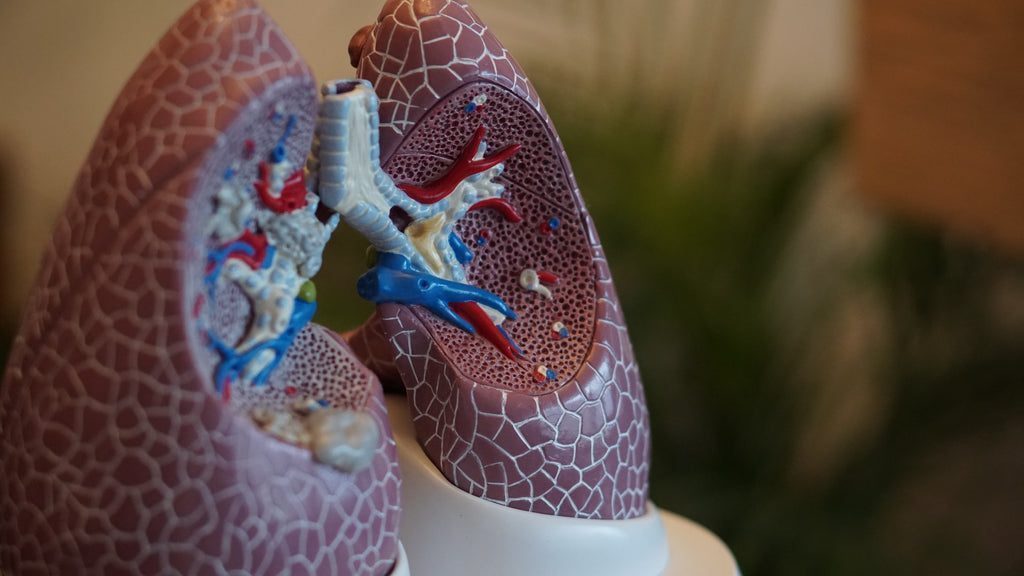
Lung Function and Dust in Climbing Halls
There seems to be a negative effect on athletic aerobic performance correlated with dust levels in climbing gyms. This study investigated the issue after asthmatics reported worsening of symptoms during or after climbing.Immediate effects on lung function were observed during competitions and sub-acute effects were obs
Read more -
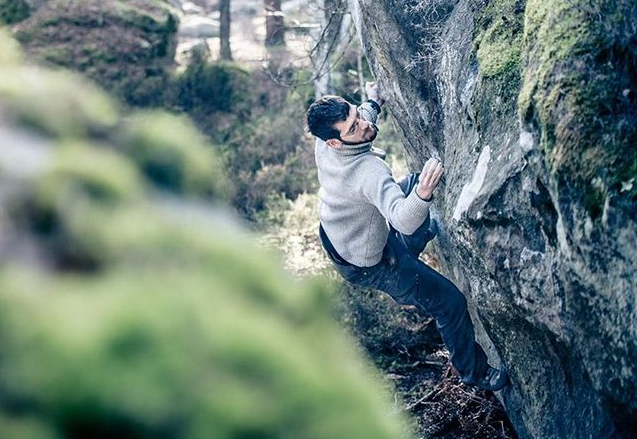
Chalk Impact on Plant Growth
This study looks into the environmental impact of magnesium carbonate in climbing areas. The surprising take-away is that significant levels of magnesium carbonate can be present without visible traces and that the MgCO3 levels measured can have negative effect on plant growth in the surrounding area. This post is part
Read more -
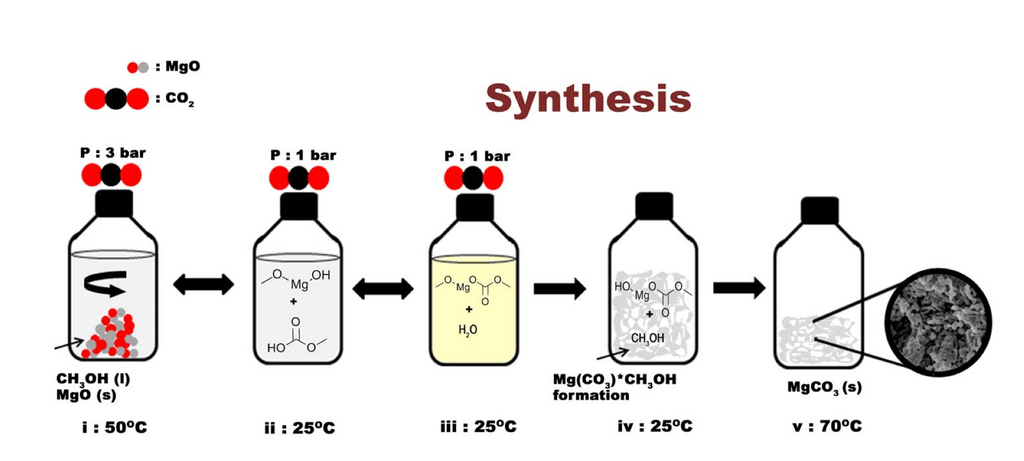
Upsalite Climbing Chalk
Nanotech is coming to climbing! Climbers use magnesium carbonate to keep their hands dry but magnesium carbonate is used in all kinds of moisture management processes. Magnesium carbonate has an exceptionally high surface area, and an accidental discovery in 2014 at the Nanotech lab in Uppsala, Sweden led to a new form
Read more -
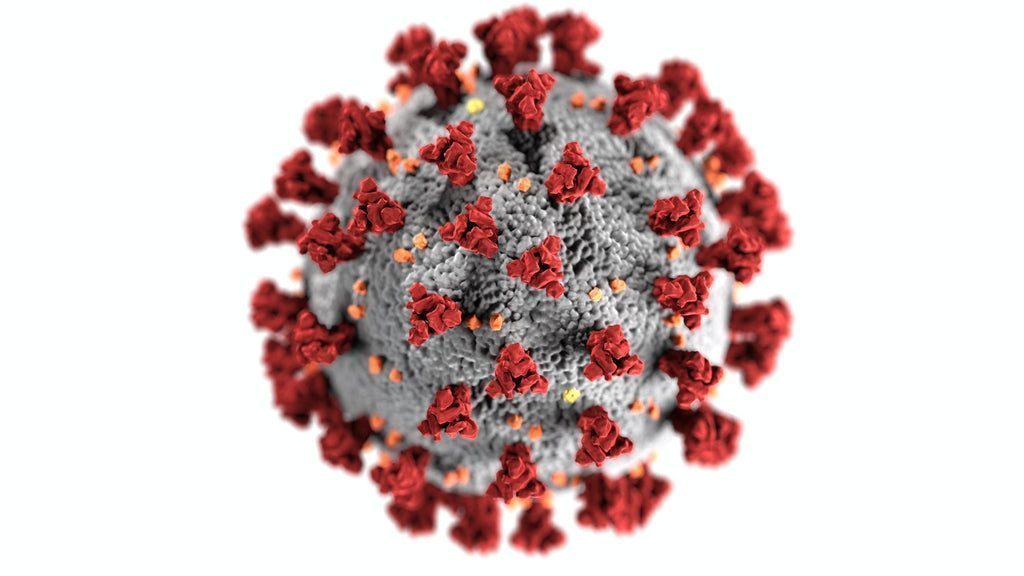
Liquid Chalk Works As An Antiseptic Against COVID
Many gyms have made the use of liquid chalk mandatory since the high alcohol content was expected to be an effective weapon against COVID. This decision was based on a “common sense” line of reasoning but now the hard science is in: Liquid Chalk Is an Antiseptic against SARS-CoV-2 and Influenza A Respiratory Viruses Li
Read more -
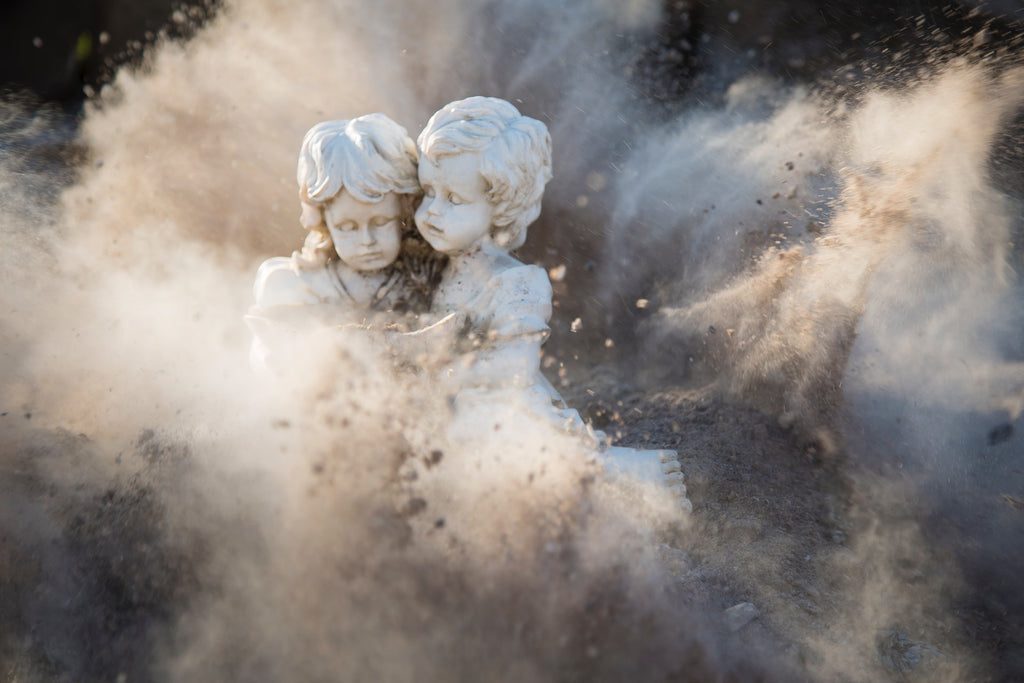
Indoor Aerosol Size Distribution in Climbing Gyms
The long-term health effects of chalk dust in gyms is a constant topic of study. Current consensus is that climbing chalk dust has a definite short-term effect on health and performance, but no long-term dangers leading to e.g. silicosis have been observed because the particle size of MgCO3 is essentially too big to do
Read more -
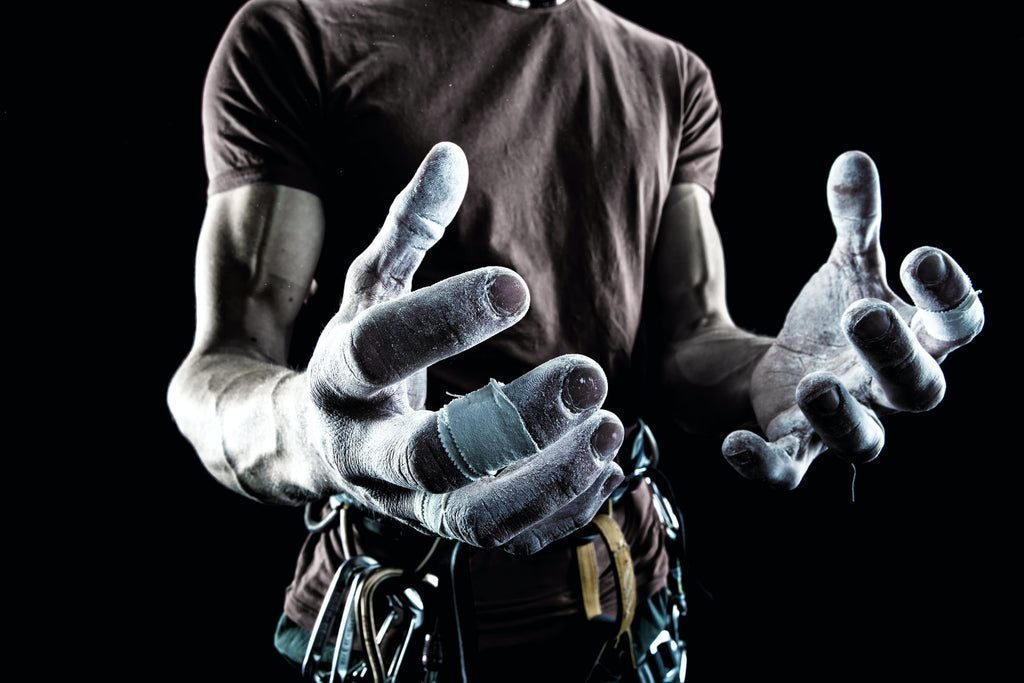
Use of ‘Chalk’ in Rock Climbing: Sine Qua Non or Myth?
In an effort to stay on top of the science we’re posting all known scientific research around chalk use in climbing. This article is pretty old (2001) and surprisingly concludes that “chalk does not work”. The article claims that magnesium carbonate decreases the coefficient of friction by creating a slippery granular
Read more -
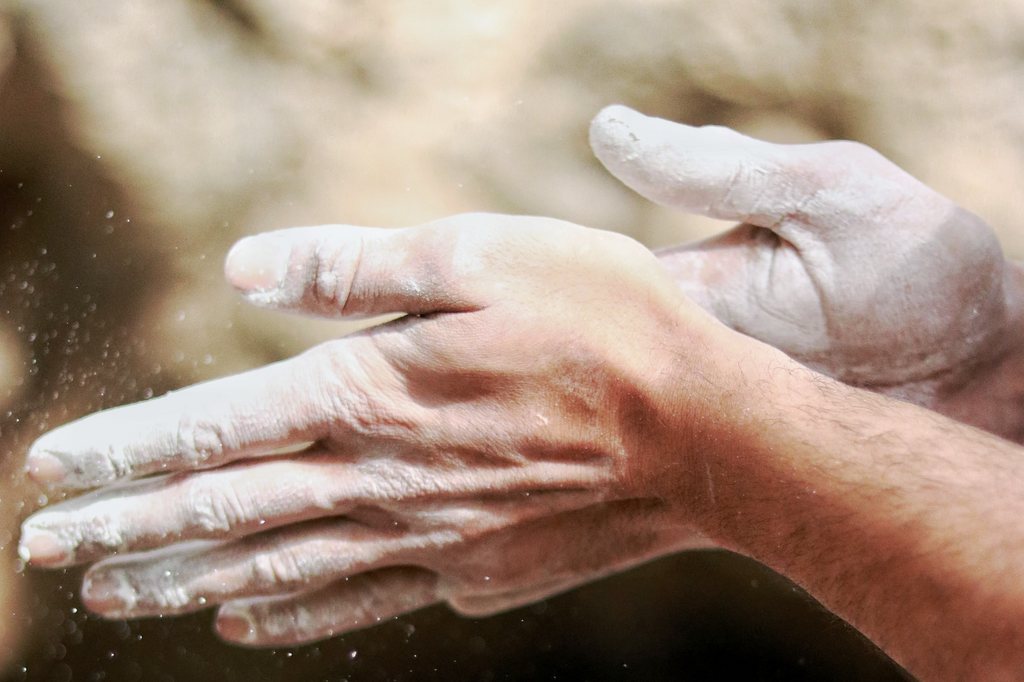
Chalk & Coefficient of Friction
This study from 2012 explores the effect of chalk and humidity on friction in a simulated climbing setting with an inclined hangboard. This study shows that chalk does increase friction, especially on sandstone. Surprisingly it does not show a correlation between temperature/humidity and friction. This post is part of
Read more -
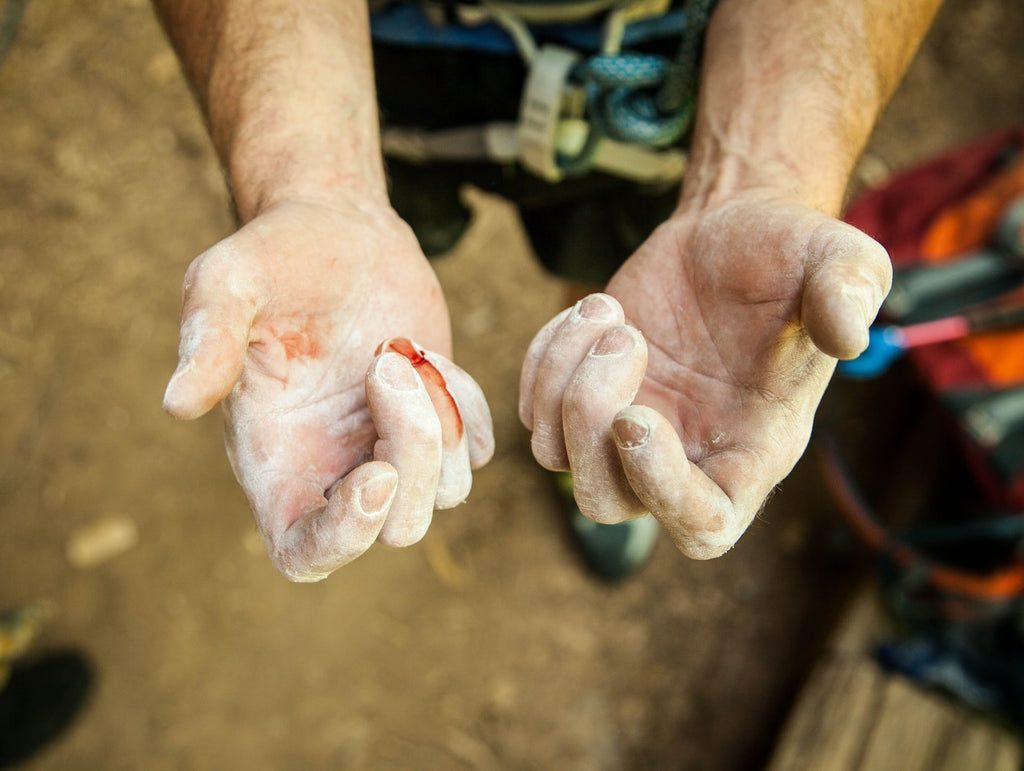
Magnesium Carbonate as Placebo?
This study from 2016 brings up an interesting observation wrt. chalk use among climbers. Even though there is no measurable “material” difference (e.g., coefficient of friction) between “chalk” and “no chalk” use, climbers were performing measurably better with chalk than without. This suggests that either our measurem
Read more -

Magnesium Carbonate & Pull-Ups
Measuring the effect of chalk on climbing performance is a tricky business. Experiments are very hard to replicate and tend to isolate movements to rule out external factors. This is such a study measuring the effect of chalk on weight-assisted pull-ups. And yes, there seems to be a measurable effect of chalk use. This
Read more -

Reducing Dust Exposure in Indoor Climbing Gyms
2012 research on the prevalence of magnesium chalk dust in climbing gyms points to liquid chalk being a viable alternative to chalk bans in gyms.
Read more